This post may contain Amazon or other affiliate links that allow us to earn a small commission at no extra cost to you. Please see our Disclosure Policy for more info.
Mabrouk laawasher (laawacher) is an expression one constantly hears in Morocco during the first ten days of the Islamic year. It means, "Happy ten days." But the good wishes aren't for the new year alone. Ten days into the new year, another important day in the Islamic calendar arrives—Ashura.
To some, the Day of Ashura (or Achoura) is a festival of mourning, synonymous with sadness, sorrow, and blood. For others, it's a quiet day of fasting. But to many Moroccans, it’s much, much more.
Ashura in Morocco has grown into a many-faceted feast. It's associated with fasting, sadaqa (optional charity), zakat (obligatory annual charity), and bringing neighborhoods together.
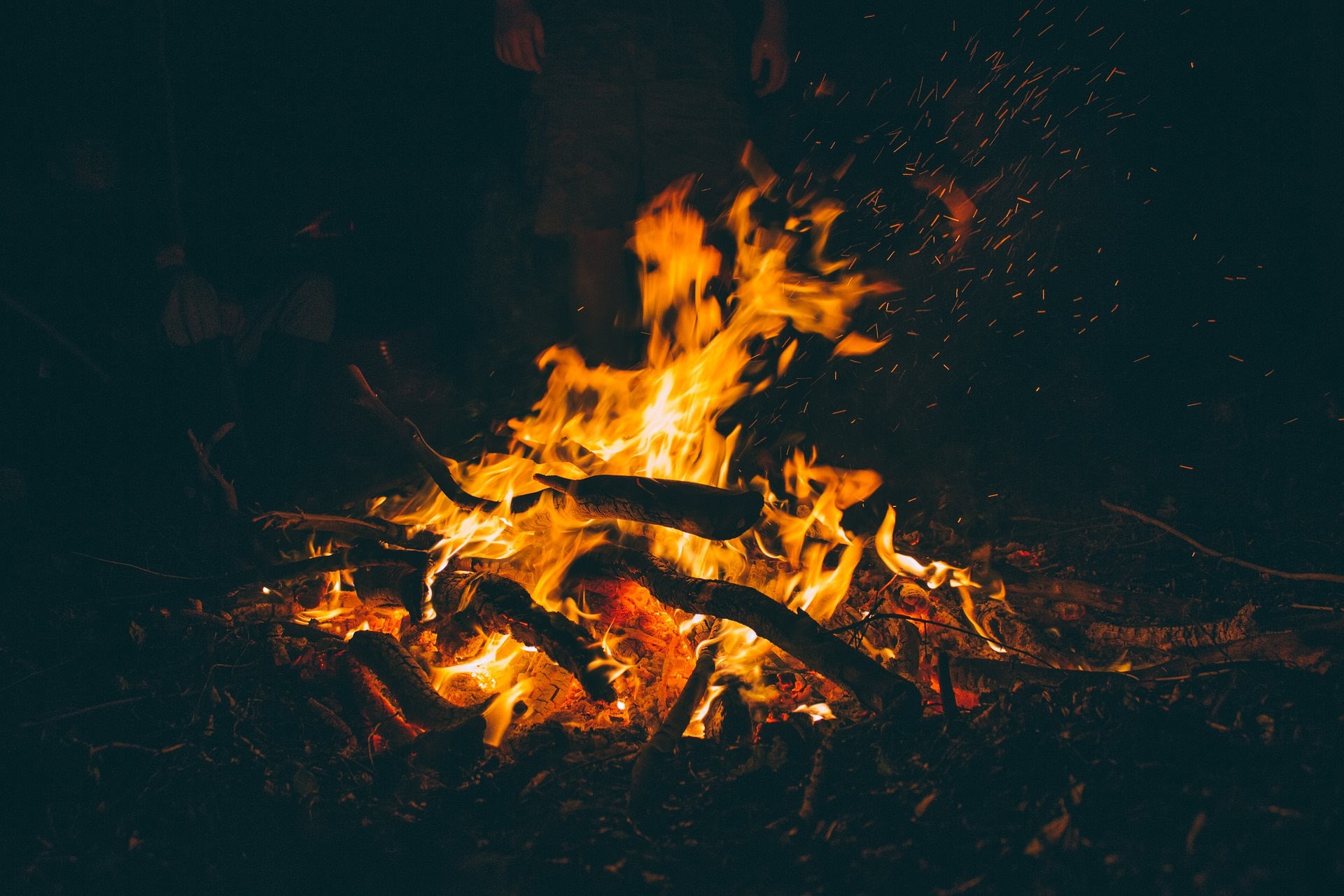
It's also a celebratory time highlighted by bonfires, carnivals, and theatrical impersonations, sprinkling passers-by with water, gifts, confections and sweets, and drumming and percussion. For Moroccan children, the day is as festive as Christmas.
Fakia (a mix of dried fruits, nuts, and krichlate) can be found in nearly every home, and many families prepare couscous made with the last bits from Eid al Adha—dried meat and preserved offal such as diala (tail), kourdass, gueddid, and mjebna.
Where do these traditions come from? How do Moroccans pass the day of Ashura?
A Special Time for Children and Women
In Morocco, Ashura is equated with joy and sharing of fakia and couscous dishes, as well as giving out money and sweets to children who go door to door in a tradition called Baba Ashur.
It also includes lighting a bonfire and sharing moments of joy around it, and answering each other via percussion and drumming. Some women plan a get-together on the eve of Ashura to chant, drum, and dance.
Ashura was traditionally a call for neighborhood spirit and helped cement unity. However, this is disappearing among new generations, as many city residents may not even know the name of the neighbor next door.
Morocco was a crossroads of civilizations and an empire. Its society is a mosaic reflecting this fact. The traditions and customs of each layer of society accumulated throughout the centuries. As